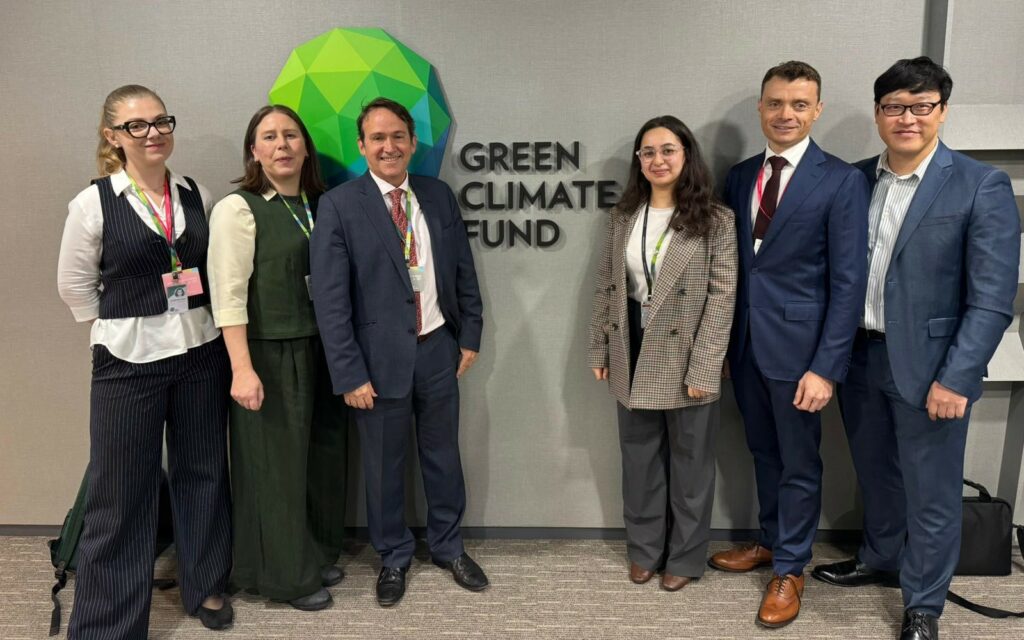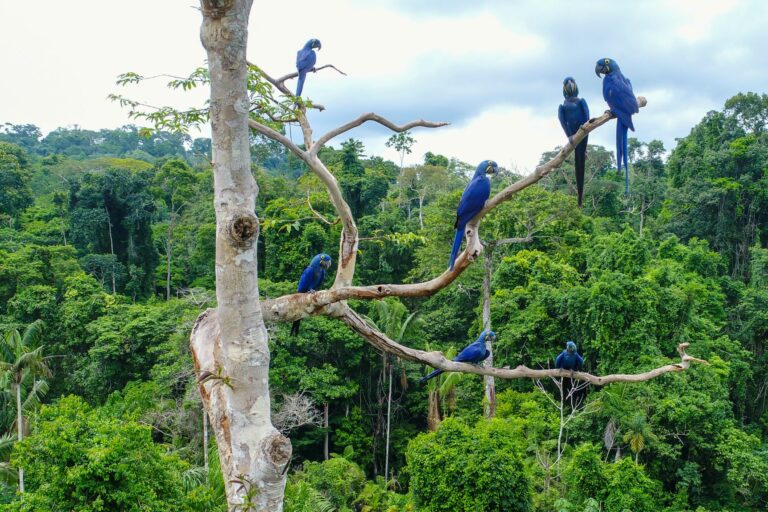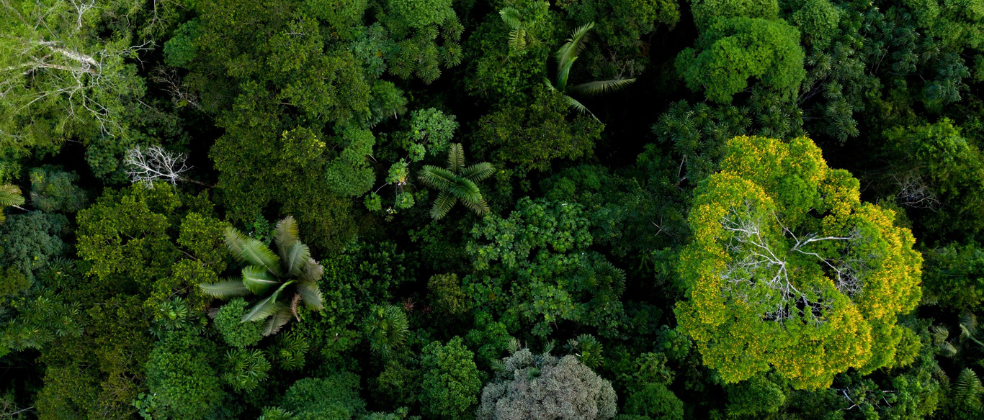
The Responsible Commodities Facility (RCF) deforestation and conversion free soy production initiative has received an investment of US$85 million from the Green Climate Fund (GCF) providing long term protection to one of the world’s most vulnerable and valuable landscapes, the Brazilian Cerrado. This will enable the fund to reach half a billion dollars in 2028 and will avoid over 25 MtCO2e of carbon emissions.
The investment, secured until 2038, will help de-risk the project, with Sustainable Investment Management (SIM), which runs the RCF, estimating that it can leverage the GCF investment fourfold.
The first RCF Cerrado programme was launched in 2022 with an initial investment from UK supermarkets Tesco, Sainsbury’s and Waitrose. For the 2025/26 season the fund reached US$60million with additional investment from Rabobank, AGRI3 Fund, IDB Invest and the Mobilising Finance for Forests (MFF) program managed by FMO, the Dutch development bank, funded by the UK Government and the Government of the Kingdom of the Netherlands. With investment from GCF, the fund is expected to grow to half a billion dollars in the next couple of years.
The RCF’s creator and climate finance pioneer, Pedro Moura Costa, commented, “Only long term investment in forest protection can deliver the impact needed to stabilise the climate, and so we created a model of blended finance that combines both commercial capital and other forms of financial risk mitigants, enabling the RCF to achieve attractive risk-adjusted returns to its investors. Full sustainability is also dependent on economies of scale, which the GCF investment is helping us achieve.”
“This is undoubtedly a turning point for the Cerrado soy programme, and also an opportunity to explore further the development and adaptation of the model for different geographies and commodities. We thank the GCF Board for their support”, said Mauricio Moura Costa, co-founder of SIM and director of RCF in Brazil.
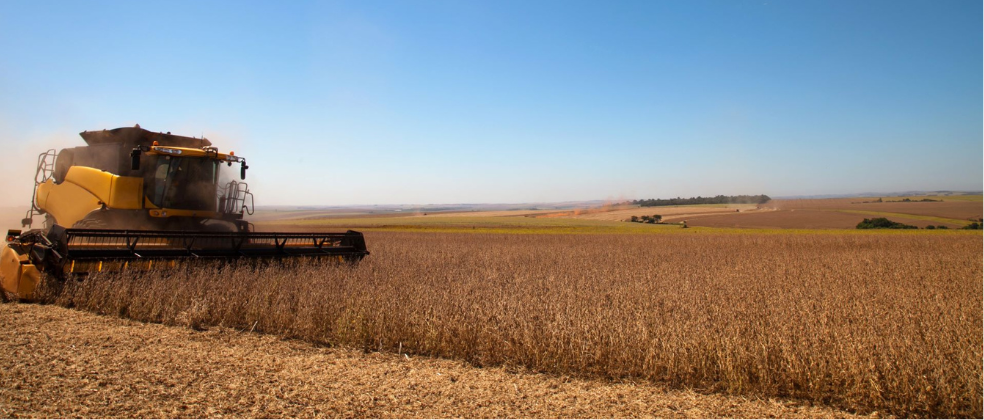
Unlike short term grants, the RCF offers the self-sustaining approach of providing financial incentives to Brazilian soy farmers who forgo their legal rights to clear native vegetation in their farms to expand the area of soy cultivation. The Brazilian Forest Code allows landowners to clear up to 80% of their farms to convert them to agricultural land. So, the RCF selects farmers whose farms have native vegetation in excess of legal requirements (and consequently allowed to convert them), and provides financial incentives lower-than-market interest rate loans for them to protect these areas. These loans are to be used for soy production expenses such as seed and fertiliser and so are required for production on an annual basis.
The RCF is capitalised by an innovative climate finance mechanism based on green bonds (CRAs – Certificates of Receivables from Agribusiness) issued in Brazil and registered in the Vienna Bourse and B3 Stock Exchange.
Kristin Lang, Director of the Green Climate Fund’s Department of the Latin America and the Caribbean Region said, “The Responsible Commodities Facility will de-risk sustainable production through a blended finance facility that will strengthen climate resilience in one of the world’s most biodiverse and carbon-rich savannahs. The Facility will accelerate a shift toward soy production that avoids deforestation in the Cerrado. GCF investment will help align financial incentives for farmers who commit to protecting native vegetation. This will help conserve the Cerrado while maintaining Brazil’s role as a major global food supplier. The project reflects GCF’s commitment to innovative climate financing solutions and its ambition to be Brazil’s climate partner of choice.”